
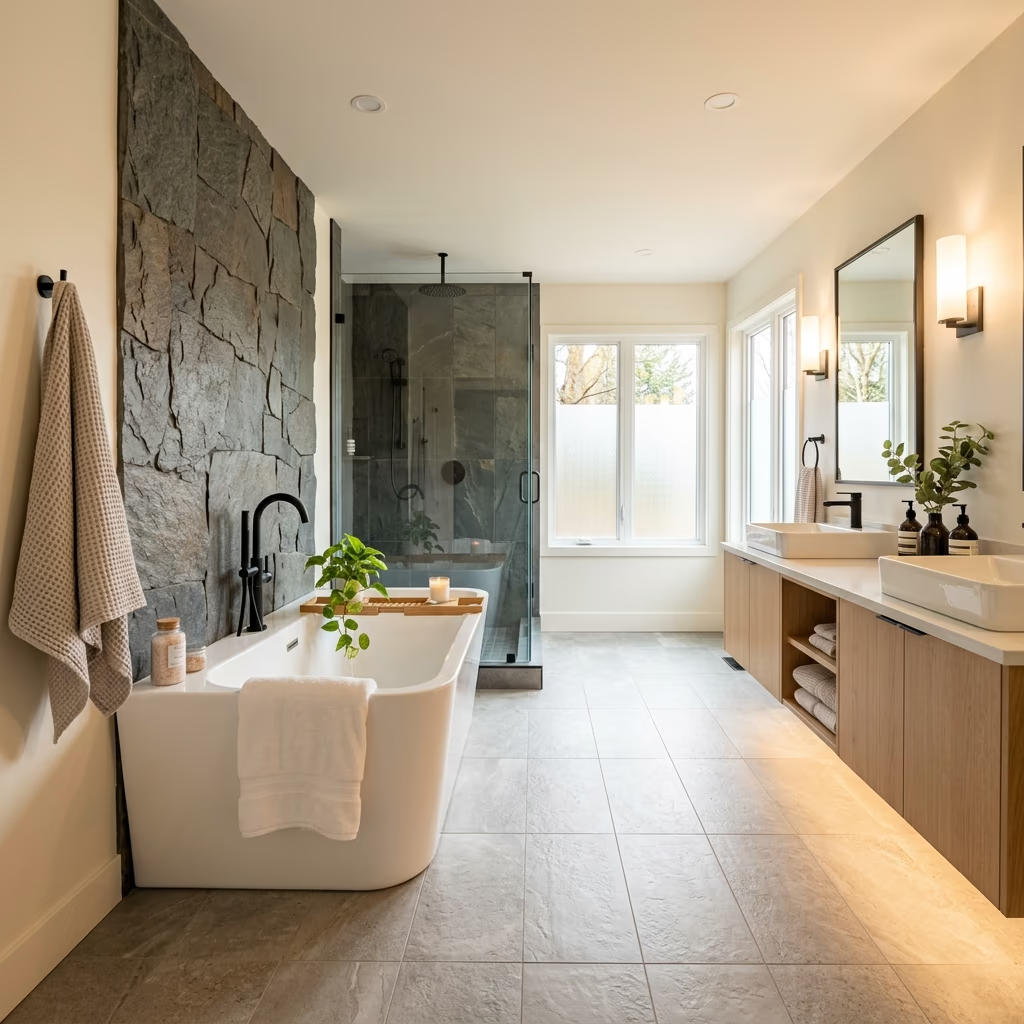
Septic-Safe Bathroom Remodeling in Apache Junction: What Homeowners Need to Know
If your home in Apache Junction, Gold Canyon, or the surrounding rural areas relies on a septic system, a bathroom remodel requires a little more planning than a renovation connected to a municipal sewer system. Replacing outdated finishes is usually straightforward, but adding fixtures, relocating plumbing, or changing the bathroom layout can affect how wastewater moves through your existing system.
Before demolition begins, it is worth understanding where your septic tank and drain field are located, whether the existing system can accommodate additional fixtures, and whether your planned plumbing changes require permits or other approvals.
Here are the most important things to consider when planning a septic-safe bathroom remodel in Apache Junction, AZ.
1. Check Your Septic System Before Adding New Fixtures
A bathroom remodel does not necessarily increase the amount of wastewater your home produces. Replacing an old vanity, updating tile, or converting an existing tub to a shower may simply modernize fixtures that are already being used.
The situation changes when you add new plumbing fixtures.
For example, adding a second sink, installing a larger soaking tub, or introducing another toilet can increase the amount of water entering the home's wastewater system. Before changing the fixture count, homeowners should understand the capacity and condition of the existing septic system.
If the system is older or its maintenance history is unknown, having it inspected before finalizing the remodel can help identify potential problems before construction begins.
This is especially useful for older properties around Apache Junction and Gold Canyon, where bathroom layouts and plumbing systems can vary significantly from one home to another.
2. Choose Water-Efficient Bathroom Fixtures
Water-efficient fixtures can be a practical upgrade for any bathroom, but they can be particularly useful in a home served by septic.
Modern low-flow toilets, showerheads, and faucets can reduce unnecessary water consumption without requiring homeowners to sacrifice normal bathroom performance.
For a septic-served property, the goal isn't simply to use as little water as possible. The bigger objective is to maintain a properly functioning wastewater system while avoiding unnecessary water usage.
When planning your remodel, consider:
- Water-efficient toilets
- Low-flow showerheads
- Water-saving faucets
- Properly sized shower valves
- Efficient bathroom fixtures
- Leak-resistant plumbing connections
These upgrades can also help reduce household water consumption over the long term.
3. Know What Should Stay Out of a Septic System
A bathroom remodel is a good opportunity to establish better maintenance habits for the entire household.
Septic systems depend on biological processes to treat wastewater. Introducing inappropriate materials or excessive amounts of harsh chemicals can interfere with normal system operation.
Homeowners should avoid treating the toilet like a trash can. Items such as wipes, paper towels, feminine hygiene products, and other non-toilet-paper materials can contribute to blockages even when products are marketed as flushable.
It is also wise to avoid routinely putting harsh chemical drain cleaners down bathroom drains.
A simple rule is helpful:
If it isn't designed to go down the toilet or bathroom drain, don't flush or pour it into the system.
Good bathroom habits are a small part of protecting a much larger and more expensive septic investment.
4. Locate the Septic Tank and Drain Field Before Remodeling
Knowing where your septic components are located becomes especially important if the bathroom remodel involves relocating plumbing or performing exterior excavation.
Before work begins, determine the location of:
- Septic tank
- Drain field or leach field
- Existing sewer or septic lines
- Cleanouts
- Main building drain
- Existing plumbing connections
If you already have a septic inspection report, site plan, or service records, provide those documents to your remodeling contractor.
This information can help the project team understand the existing plumbing configuration before walls or floors are opened.
For homes where the septic layout isn't documented, locating the system before making major plumbing changes can prevent unnecessary surprises during construction.
5. Be Careful When Moving a Toilet or Drain
Changing the location of a bathroom fixture is significantly different from replacing the fixture itself.
Moving a toilet, shower drain, or sink can require new drain and vent connections, changes in pipe routing, and potentially work below the finished floor.
This is particularly important in older Apache Junction homes where the original plumbing layout may not match modern bathroom designs.
If you're planning a larger layout change, your contractor should evaluate:
- Existing drain locations
- Pipe sizes
- Drain slopes
- Venting requirements
- Access to existing plumbing
- Floor construction
- Connection points
- Applicable local permitting requirements
A good bathroom remodeling plan addresses these issues before demolition, rather than discovering them after the floor has already been opened.
6. Understand Permits Before Plumbing Work Begins
Not every bathroom improvement requires the same level of permitting.
Replacing finishes, painting, or changing certain fixtures can be different from relocating plumbing, modifying electrical systems, or making structural changes.
The exact requirements depend on the project scope and the jurisdiction where the property is located.
If your Apache Junction bathroom remodeling project involves new plumbing fixtures or relocated drain lines, confirm the applicable permit requirements before construction begins.
A professional remodeling team should be able to explain which portions of the project require permits and coordinate the applicable inspections rather than leaving homeowners to discover the requirements after work has started.
7. Protect the Septic System During Construction
Construction itself can create risks for a septic system.
Heavy equipment, construction materials, dumpsters, or unnecessary vehicle traffic should not be placed over sensitive septic components or drain-field areas without proper planning.
Before the project begins, establish where:
- Construction vehicles will park
- Materials will be stored
- Waste containers will be placed
- Septic components are located
- Excavation can safely occur
This is particularly important on larger rural properties where the septic tank and drain field may occupy substantial portions of the lot.
Protecting the system during construction is much easier than repairing a damaged drain field after the remodel is finished.
8. Tub-to-Shower Conversions Can Still Work on Septic
Having a septic system doesn't automatically mean you need to avoid a modern walk-in shower.
A tub-to-shower conversion can often be planned around the home's existing plumbing configuration. The important part is evaluating the existing drain, venting, floor structure, and septic connection before changing the layout.
If you're replacing an existing bathtub with a walk-in shower, the project may involve:
- Removing the existing tub
- Evaluating the existing drain
- Adjusting plumbing where necessary
- Installing the shower drain
- Waterproofing the shower area
- Installing tile or another finished wall system
- Adding a shower enclosure or glass
- Installing appropriate fixtures
If the conversion requires significant plumbing relocation, that work should be evaluated separately from the cosmetic portion of the remodel.
You can also learn more about the process through our tub-to-shower conversion services.
Septic Bathroom Remodeling vs. Municipal Sewer
The biggest difference isn't necessarily the bathroom itself. It's what happens after wastewater leaves the fixtures.
| Consideration | Septic Home | Municipal Sewer Home |
|---|---|---|
| Bathroom fixtures | Similar options | Similar options |
| Water usage | Worth monitoring | Worth monitoring |
| Adding fixtures | System capacity should be considered | Plumbing capacity still matters |
| Drain relocation | Requires planning | Requires planning |
| Septic location | Important to identify | Not applicable |
| Drain field | Must be protected | Not applicable |
| Permits | Scope and jurisdiction dependent | Scope and jurisdiction dependent |
| Maintenance | Homeowner responsible for septic system | Connected to municipal system |
The key takeaway is that a septic system doesn't prevent you from creating a modern bathroom. It simply makes existing wastewater infrastructure an important part of the planning process.
Frequently Asked Questions
How do I know if my Apache Junction home uses septic?
Property and utility records may help determine whether your home is connected to municipal sewer or uses a private septic system. Previous septic inspection, pumping, or installation records can also provide useful information.
If you're unsure, verify the property's wastewater system before starting a remodel involving plumbing changes.
Can I add a second bathroom sink if my home has a septic system?
Often, adding a second sink can be possible, but the existing septic and plumbing systems should be considered first. If the remodel increases the number of fixtures, having the system evaluated can help confirm that the planned changes are appropriate.
Can I convert a bathtub into a walk-in shower on septic?
A septic system does not automatically prevent a tub-to-shower conversion. The existing drain, plumbing configuration, shower design, and applicable requirements should be evaluated before construction.
Are low-flow fixtures good for septic homes?
Water-efficient fixtures can reduce household water consumption. However, fixture selection should be based on proper performance and compatibility with the existing plumbing and wastewater system rather than assuming that lower water usage alone will solve septic problems.
Does a septic bathroom remodel require a permit?
It depends on the scope of work and the applicable local requirements. Cosmetic improvements may be treated differently from plumbing relocation, electrical modifications, or structural changes. Confirm the requirements before construction begins.
Can a bathroom remodel damage my septic system?
The bathroom itself generally isn't the issue. Problems can occur when construction activities interfere with septic components, drain lines, or the drain field. Identifying these areas before construction helps the remodeling team plan around them.
Plan Your Apache Junction Bathroom Remodel Around the Existing System
A septic system doesn't have to limit your bathroom design. The key is understanding the existing wastewater infrastructure before changing the plumbing.
Whether you're updating an older bathroom in Apache Junction, remodeling a property near Gold Canyon, or planning a more extensive bathroom renovation, the right approach starts with evaluating the existing layout, septic configuration, plumbing, and project requirements.
ARZ Home Remodeling serves Apache Junction and the surrounding East Valley with bathroom remodeling services focused on practical layouts, durable materials, and properly planned installations.
Call (520) 569-3339 to discuss your project and schedule a free in-home estimate, or explore our Apache Junction bathroom remodeling services.
You can also visit our homepage or browse the bathroom remodeling blog for additional remodeling guides.